What the Pacific really thinks: results from Pacific Attitudes Surveys in Samoa and Vanuatu
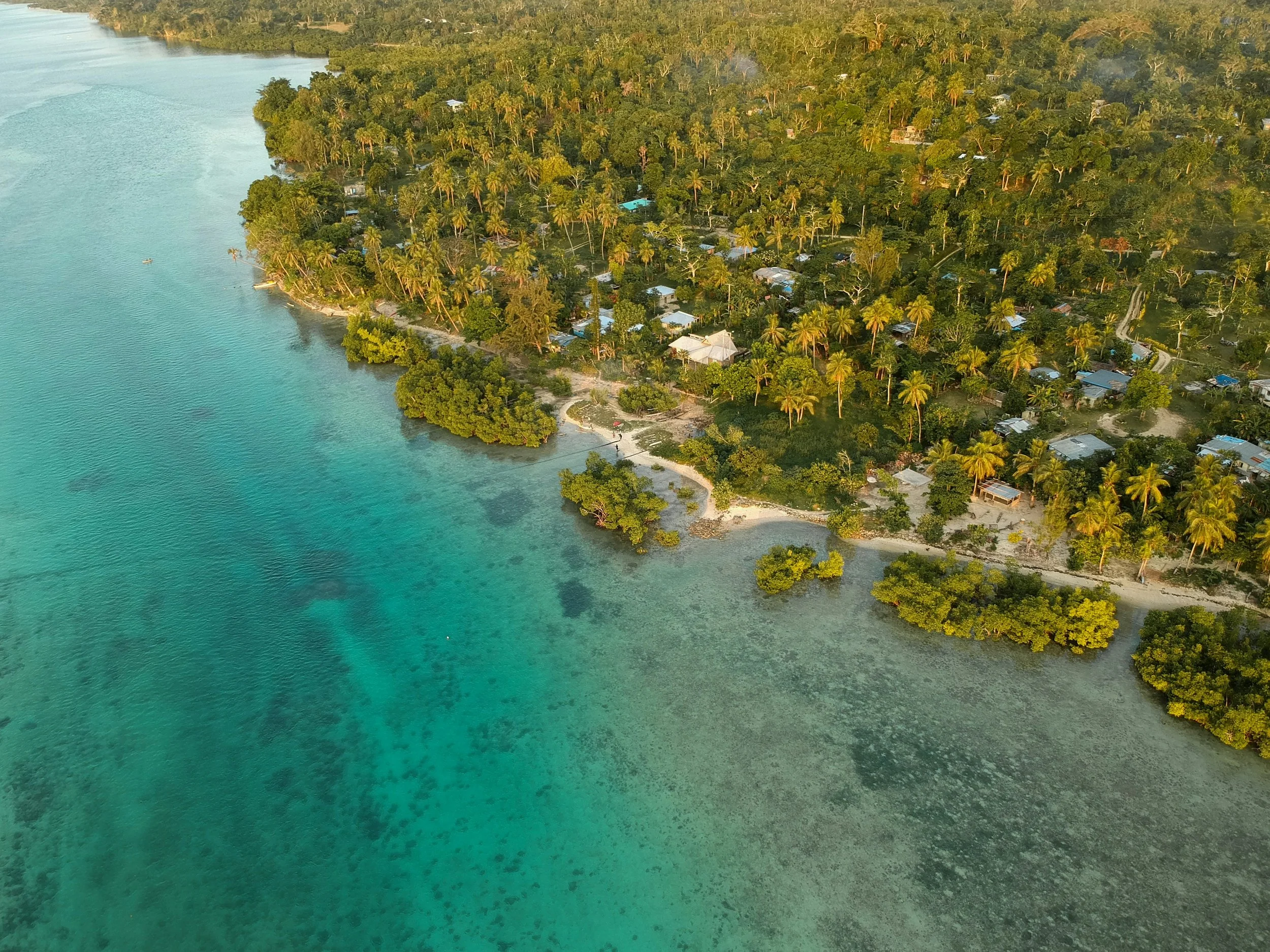
Image of Vanuatu by Seiji Seiji on Unsplash
Since the 1970s, popular political attitudes surveys have given decision-makers non-partisan, data-driven insight into public opinion across a wide range of social, economic and political issues.
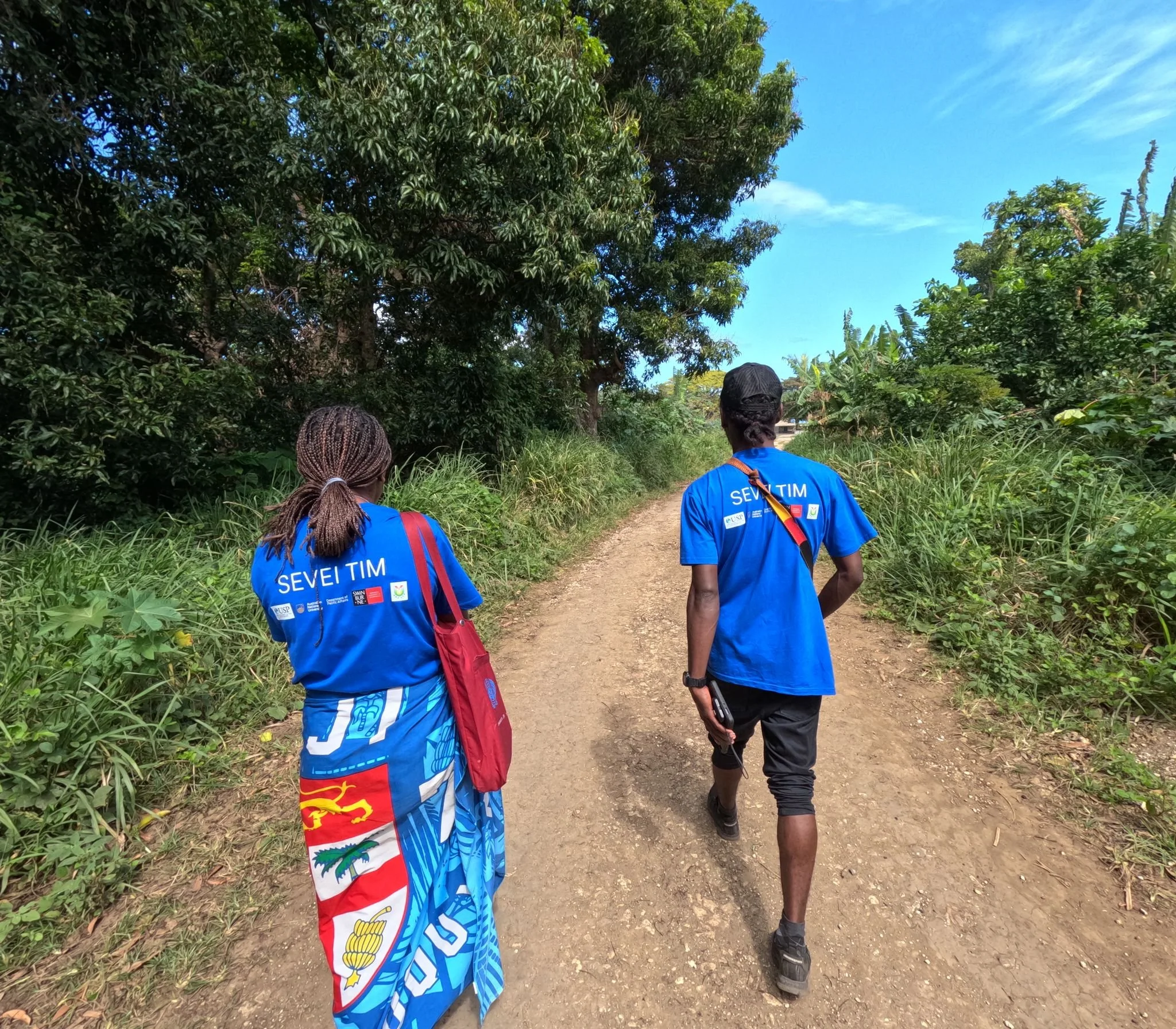
But one part of the world was always overlooked. Despite the strategic importance and rich diversity of their region, Pacific people never had the chance to have their perspectives and experiences captured in this way.
The Pacific Attitudes Survey (PAS) was developed to meet this gap, in partnership between researchers from The Australian National University’s Department of Pacific Affairs (DPA), Swinburne University of Technology (SUT), and Pacific tertiary institutions.
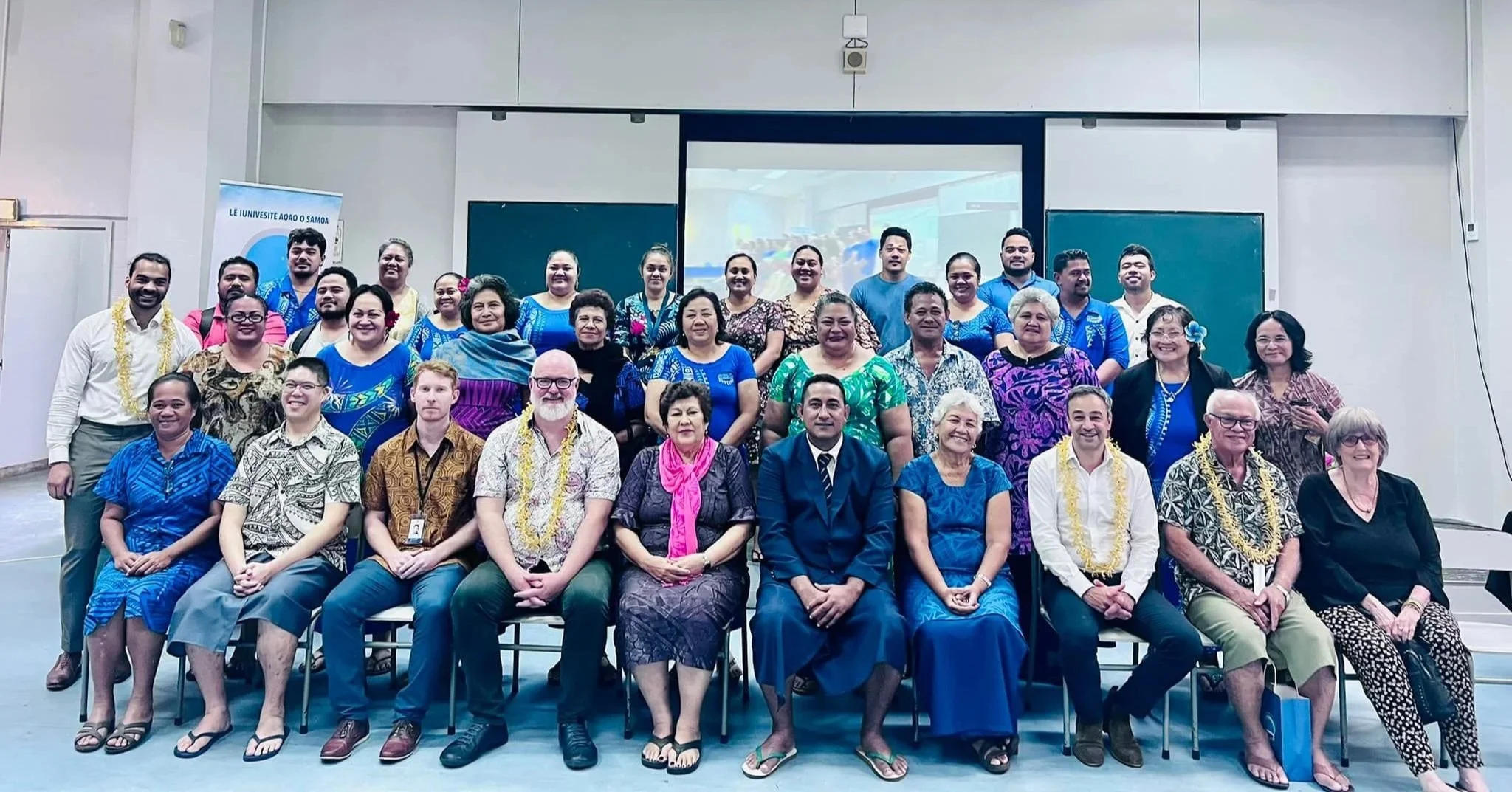
Samoa became the first Pacific country where a largescale, nationally representative popular political attitudes survey was rolled out. The PAS Samoa was developed in in close partnership with the National University of Samoa (NUS), which led the survey’s rollout in late December 2020 and January 2021, as the world reeled from the COVID-19 pandemic, and Samoa prepared for a landmark election.
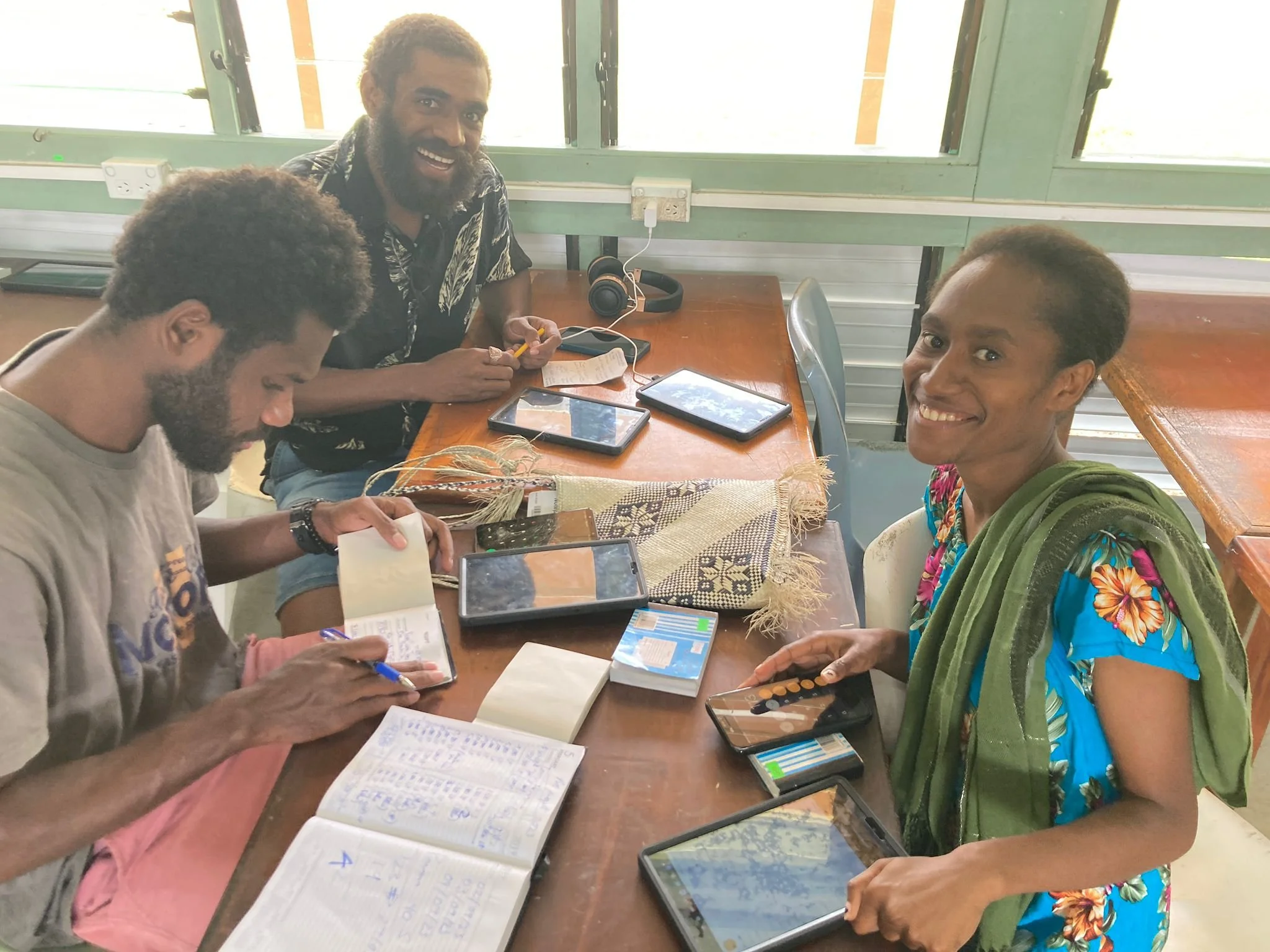
This historic first was followed by a PAS in Vanuatu — the first in Melanesia — carried out between August and October 2023. Here, the partnership expanded to include the University of the South Pacific (USP) and the National University of Vanuatu (NUV). A larger dataset delved into influential issues such as labour mobility and climate change.
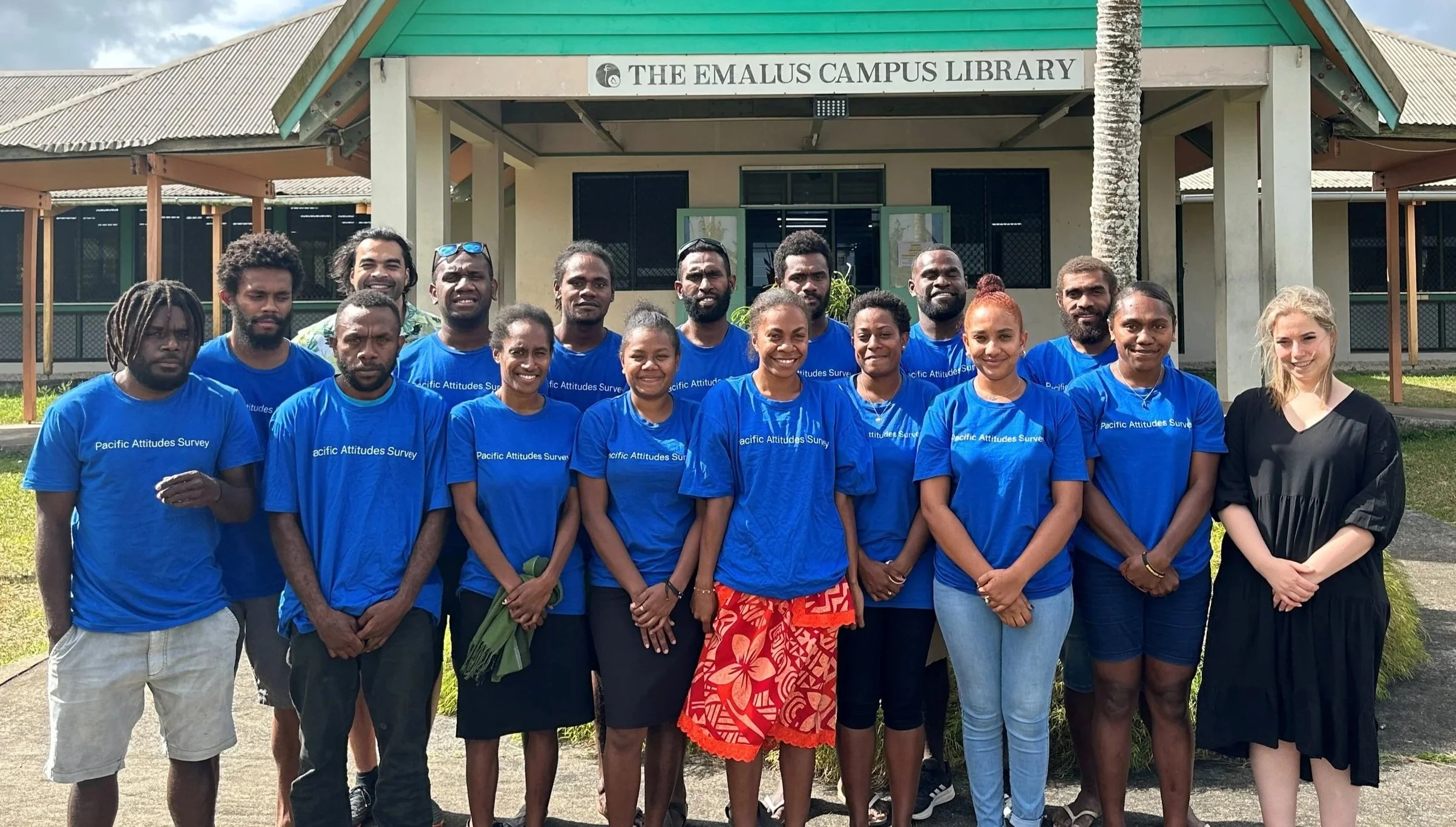
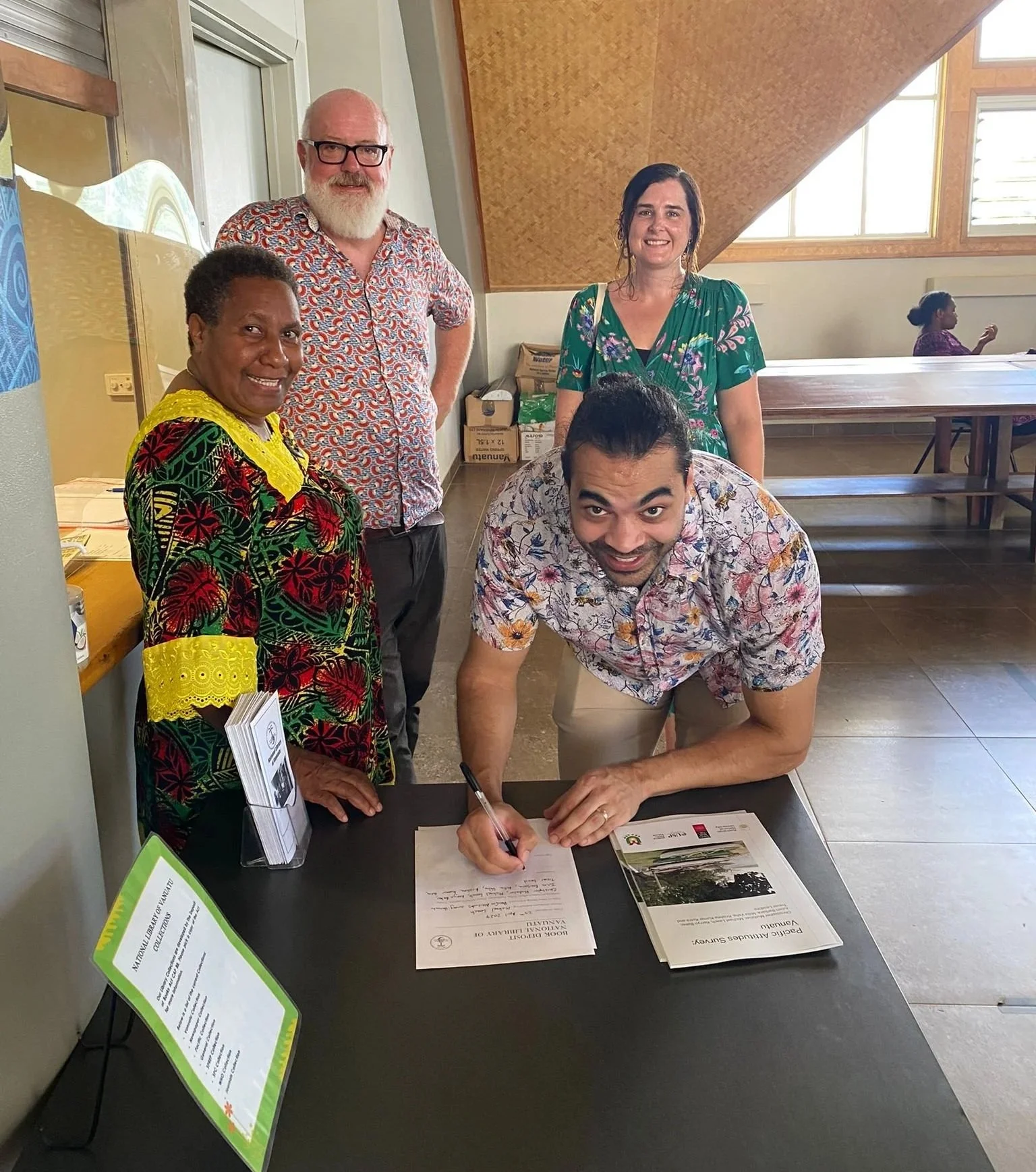
This interactive will explore the results from these two surveys, and some of the key insights they provide on attitudes to democratic, policy, political and international issues in the Blue Pacific.
At a glance: the two surveys
-
Samoa: Australian National University Department of Pacific Affairs (DPA), Swinburne University of Technology (SUT), National University of Samoa (NUS)
Vanuatu: Australian National University Department of Pacific Affairs (DPA), Swinburne University of Technology (SUT), University of the South Pacific (USP), National University of Vanuatu (NUV), The Asia Foundation (TAF)
-
Samoa: December 2020 to January 2021
Vanuatu: August to October 2023
-
Samoa: 181 questions in 26 thematic modules
Vanuatu: 191 questions in 26 thematic modules
-
Samoa: 1319 aged 21 or older
Vanuatu: 1330 aged 18 or older
-
Samoa: During the COVID-19 pandemic and prior to a landmark election.
Vanuatu: During a period of political instability where two no confidence votes took place in Parliament.
The data
Identity, pride and community
What does it really mean to be Samoan or ni-Vanuatu? The PAS asked respondents which characteristics and values they saw as central to their national identity.
In both countries, traditional markers of identity were seen as most important, alongside more modern civic duties such as respect for political institutions, the law and citizenship.
Levels of national pride were high. In Samoa, pride in Samoa’s distinct culture (93%) and history (96%) tended to score higher than those aspects tied to state functions, such as ‘the way democracy works’ (53%). In Vanuatu, the data shared a similar story. Vanuatu’s distinctive kastom and culture (92% ‘very proud’) and history (91% ‘very proud’) scored significantly higher than pride in ‘the way democracy works’ (82% ‘very proud’).
On political communities, respondents felt most emotionally connected to their nation in both Vanuatu and Samoa, followed by their home community or language group.
The data
Attitudes to democracy
Both Samoans and ni-Vanuatu are strongly supportive of democracy.
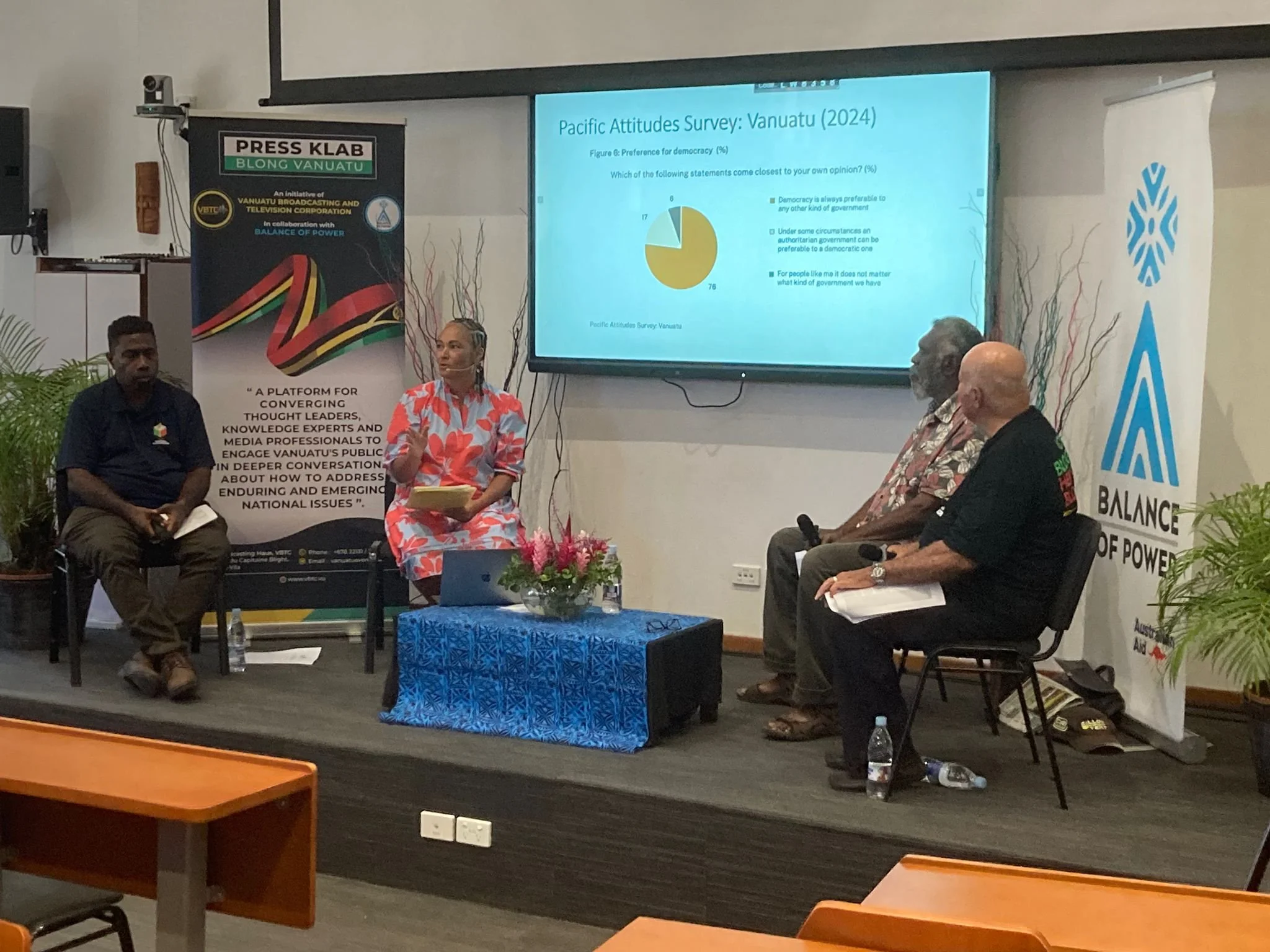
In Samoa, 61% of respondents agreed that ‘democracy is always preferable to any other kind of government’. In Vanuatu, 76% of respondents also agreed with this. Yet a notable percentage of respondents (17% in Vanuatu vs 8% in Samoa) believed that ‘under some circumstances, an authoritarian government can be preferable to a democratic one’.
On the way democracy performs in practice, some 84% of ni-Vanuatu respondents reported they were satisfied with ‘the way democracy works in Vanuatu’. Only 16% were dissatisfied. Respondents in Vanuatu displayed high levels of confidence that ‘people have the power to change a government they do not like’ (81%).
In Samoa, the response was still positive, but more muted. 53% of respondents reported that they were satisfied with how democracy works, with 41% dissatisfied.
In both countries, a significant correlation was found between a positive perception of the economy and levels of satisfaction with the way democracy works, and government performance. Those who rated the overall economic condition of the country positively were significantly more likely to report satisfaction with democracy in practice and the current government than those who rated economic conditions negatively.
The data
Trust, corruption
and government satisfaction
The PAS assessed trust in a range of institutions such as the elected government; non-elected branches of government, such as the courts or civil service; and traditional institutions.
The PAS also reported on satisfaction with government performance. In Samoa, two-thirds of respondents (66%) reported being satisfied with their government’s performance. Respondents considered the economy (38%) and health (37%) as the ‘most important problems’ facing Samoa. Overall, Samoans (73%) were confident that their government could solve these issues within the next five years.
Respondents in Vanuatu also reported high levels of satisfaction with their government (77%), a perhaps surprising number given the context of relative political instability in which the survey data collection took place.
Despite widespread concerns about corruption in Vanuatu at both the national and local levels, respondents still showed high levels of trust in the country’s institutions. Respondents placed higher levels of trust in traditional institutions (95%), followed by non‐elected (94%) and then elected institutions (85%). The relatively higher levels of trust placed in traditional and non‐elected institutions are notable. While trust in elected institutions in Vanuatu is high, levels of popular trust appear to reflect their greater propensity to change and instability. This factor was especially strong in relation to political parties. While our survey found generally high levels of trust in institutions, political parties proved to be the least trusted institution in Vanuatu (73.5%)
In Samoa, traditional and non-elected institutions also enjoyed the highest levels of trust, while political parties fared the worst. Perceptions of corruption were significantly lower than in Vanuatu.
The data
Political participation — who gets a say?
A vibrant democracy relies on engaged citizens. The PAS asked a range of questions to better understand forms of political participation in both survey countries.
In Vanuatu, overall political engagement was relatively high, with 60% of total participants agreeing that ‘voting in elections makes a difference to my day-to-day life’. However, young people (26%) and women (27%) were less likely to strongly agree with this than seniors (42%) and men (37%). A recurring observation throughout the survey was the relative detachment of young people from politics in Vanuatu. Younger ni-Vanuatu reported lower levels of interest in politics than older cohorts, and older ni-Vanuatu were also more likely to report being politically active.
In Samoa, a substantial majority of respondents (72%) expressed some level of interest in politics, noting that the survey was conducted in the lead-up to the 2021 Samoan general election. Yet young people also showed signs of detachment and disconnection, as their ability to engage is limited by tradition. 39% of respondents aged 21–29 reported little or no interest in politics compared to 22% for those aged 30–59, and 26% for those aged 60 and above. Younger people reported being ‘very interested’ in politics at half the rate (20%) of older cohorts (40%).
Women reported less interest in politics in both survey countries.

Perspectives on policy
Climate change poses an existential risk for the Pacific, with the region already experiencing tangible impacts. The outsized climate risks faced by Pacific states has seen them become strong advocates for climate action on the global stage. This activism is often taken to reflect broad concern about climate change within Pacific communities. However, relatively little is known about popular attitudes to climate change at the national level.
Vanuatu is considered one of the most climate vulnerable countries in the world, and this was reflected in PAS results. A vast majority (94%) reported observing ‘changes in the climate and its effect on the environment over their lifetime’. Reflecting the priority of the issue at a national level, a significant majority of 81% believed that climate change is ‘an urgent problem that needs to be addressed’.
In Samoa, a narrow majority of respondents identified climate change as either an ‘urgent problem that needs to be addressed’ (43%) or an issue that is ‘not yet an urgent problem but will be addressed in the future’ (10%). A further 9% acknowledged climate change as an urgent problem but ‘there is little we can do about it’. Surprisingly, 39% of respondents thought it will ‘never be necessary’ to address climate change, showing popular awareness and understanding of climate change impacts may be lower than assumed, and is certainly not uniform across the Pacific.
Climate change
Perspectives on policy
Labour mobility and migration
Vanuatu has become a significant sending country in regional labour mobility schemes, sending the largest number of workers of any Pacific country to both Australia and New Zealand. One-fifth of men aged 20–59 years old were recruited for seasonal work between 2022 and 2023, representing a significant proportion of the available workforce.
In Vanuatu, there were strong positive attitudes towards labour mobility schemes. 76% agreed that labour mobility schemes had been a net positive for their community. Almost half (49%) reported knowing someone who has been part of a Pacific labour scheme, and some 77% of respondents said they would be willing to travel overseas to work temporarily. Improving household incomes was considered the most positive aspect o the schemes (64%), though ‘worsening family relations’ was identified as the most significant negative impact of labour mobility schemes by 60% of respondents.
The Samoa PAS did not have specific questions on labour mobility, instead asking about willingness to move overseas for work. 73% of respondents surveyed were either ‘fairly willing’ or ‘very willing’ to temporarily work in another country, with younger people more willing than older — but only 54% were willing to migrate permanently.
Perspectives on policy
Gender equality
In both Samoa and Vanuatu, the PAS found attitudes to women’s participation in politics were generally positive, including support for temporary special measures to improve representation (78% in Samoa and 87% in Vanuatu).
82% of respondents in Vanuatu believed there were ‘too few’ women represented in parliament, which 56% of Samoan respondents agreed with. There was also strong agreement in both countries that a woman should become Prime Minister: 74% in Vanuatu and 85% in Samoa.
Yet patriarchal norms remain. In Samoa, only 50% agreed that a woman should become head of state (O le Ao o le Malo), and in Vanuatu, 55% of respondents agreed that ‘in general men are better at political leadership than women’.
Amid geopolitical contest in the region, the voices of external powers often dominate debate on international issues. Yet citizens of countries such as Vanuatu and Samoa have influence over the decisions their governments make on agreements, treaties, and on the global stage: particularly on issues such as climate change, where the Pacific is a strong advocate for action. The PAS gives us a clearer understanding of their views.
In both Samoa and Vanuatu, respondents saw China as the country with the most influence in the Pacific (58% in Samoa and 41% in Vanuatu) and in their own respective countries (69% for influence on Samoa and 77% for influence on Vanuatu). After this, responses differed, with New Zealand seen to have more influence in Samoa, and Australia in Vanuatu.
Interestingly, in Vanuatu, respondents who identified as being more dependent on remittance income were also more likely to regard Australia as influential (49%) than those who were not (33%). This suggests that labour mobility schemes can act as a vehicle for ‘soft power’, given a significant proportion of remittance income is generated by ni-Vanuatu workers in Australia.
International relations
Perspectives on policy
Conclusion
The PAS is a distinctly Pacific survey, which combines questions from the Global Barometer network with a host of locally-relevant survey modules developed in partnership with Pacific research partners. This mix allows for international comparability, while capturing popular attitudes on issues that are shaping the region’s present and future.
The data from Samoa and Vanuatu reinforces that the Pacific is far from homogenous, including on issues such as climate change, which are often framed as a whole-of-region concern.Yet there are many similarities: both countries show strong commitment to democracy, trust in institutions, an openness to improving women’s representation in politics, and thoughtful engagement with and connection to the wider world.
Despite logistical challenges of running representative public opinion surveys in Pacific states, the depth of data and insight gleaned from the PAS shows that these efforts are worthwhile. By truly listening to the region, we can gain deeper understanding of the decision-making, priorities, trends and changes that underpin quintessentially Pacific approaches at home, regionally and on the global stage.
The Pacific Attitudes Surveys have been jointly funded by the ANU Department of Pacific Affairs and the Australian Government through the Pacific Research Program, and in Vanuatu, by The Asia Foundation.


Partner universities